

Gynecomastia surgery, or male breast reduction, at City Dermatology Clinic, targets enlarged breast tissue in men – a condition often caused by hormonal imbalances, obesity, or specific medications. This procedure meticulously removes excess glandular tissue and fat, crafting a flatter, more masculine chest contour. Our approach not only enhances physical appearance but also significantly improves psychological well-being. We support our patients through a seamless recovery process, enabling a swift return to normal activities, with final results visible as swelling gradually subsides.
Gynecomastia surgery, also known as male breast reduction, is tailored to each patient’s specific needs at City Dermatology Clinic. Our surgeons carefully evaluate the amount of glandular tissue, fat, and skin elasticity to determine the most effective surgical approach for reducing breast size and enhancing chest contours. Below, we detail the primary surgical techniques available.
Liposuction is a minimally invasive technique, ideal for patients who primarily have excess fatty tissue with minimal glandular enlargement. During this procedure, small incisions are made through which fat is suctioned out, resulting in a flatter and more masculine chest contour.
Excision is recommended for individuals with a significant amount of glandular tissue or who have considerable excess skin. This method involves making incisions either around the nipple or in less conspicuous areas to remove the underlying tissue and excess skin, effectively reducing breast size and improving the overall chest appearance.
For some patients, a combination of liposuction and excision is necessary to achieve optimal results. This approach allows surgeons to comprehensively address both excess fat and glandular tissue, tailoring the procedure to meet the specific anatomical and aesthetic needs of each patient.
At City Dermatology Clinic, each treatment plan is designed to provide a more defined chest shape with minimal scarring and rapid recovery. The choice of technique is carefully decided based on each patient’s unique anatomy and desired outcomes, underscoring the importance of a thorough consultation with our experienced plastic surgeons.
Key Information
Gynecomastia, commonly known as male breast reduction, is a surgical procedure aimed at correcting enlarged male breasts—a condition that can arise from hormonal changes, obesity, or certain medications. This condition often leads to both physical discomfort and emotional distress.
To be considered for gynecomastia surgery at City Dermatology Clinic, potential patients should be in excellent overall health, ideally at or near their target weight, and possess realistic expectations about the surgical outcomes. This procedure is especially suited for men who have significant breast tissue development that has not responded to lifestyle changes, such as diet and exercise.
Gynecomastia surgery is generally regarded as an elective procedure. Although the NHS may provide treatment for severe cases, many individuals opt for private care to ensure timely access and personalized attention. At City Dermatology Clinic, we are committed to delivering exceptional service and tailored care.
At City Dermatology Clinic, we take pride in our consultative approach, providing every patient with a detailed evaluation. Our world-renowned plastic surgeons assess each case individually to recommend the best course of action, tailored to meet each patient’s unique needs.
If you are considering gynecomastia surgery, our team at City Dermatology Clinic is here to provide you with expert advice and comprehensive support throughout your treatment journey. We are dedicated to ensuring that every patient feels well-informed and cared for every step of the way.
Our Team
Meet our surgeons at City Dermatology Clinic, renowned for their precision and expertise in male breast reduction. They are dedicated to delivering personalised care and exceptional results in cosmetic surgery.
Meet our surgeons at City Dermatology Clinic, renowned for their precision and expertise in male breast reduction. They are dedicated to delivering personalised care and exceptional results in cosmetic surgery.

MBBS, MSc, FRCS

MB ChB FRCS

MBBS, MRCS

MBBS, MSc, FRCS

BSc, MBChB, FRCS

MD, PhD

MA MBBS FRCS

MD, MSc, FRCS, FEBOPRAS

BSc, MBChB, FRCS

MBBS, FRCS
Overview of Your Experience
During your initial consultation for gynecomastia treatment at City Dermatology Clinic, your consultant will review your medical history and discuss your concerns about enlarged breast tissue. A thorough physical examination will be conducted to assess the extent of the condition and identify potential underlying causes. Your consultant will present various treatment options, including surgical male breast reduction and non-surgical alternatives like hormonal therapy or liposuction. They will thoroughly explain the procedures, expected outcomes, potential risks, and recovery timelines to ensure you are well-informed before making any decisions.
In preparation for your male breast reduction surgery at City Dermatology Clinic, you will receive comprehensive instructions to optimise the outcome and minimise potential complications. This includes undergoing necessary blood tests, imaging studies, and adjustments to your medications, especially blood thinners. You’ll be advised to cease smoking and alcohol consumption several weeks prior to the surgery. Arranging for someone to drive you home post-procedure is essential, as you will not be in a condition to drive yourself.
On the day of your surgery, you will arrive at City Dermatology Clinic and be greeted by your surgical team. After pre-operative checks, you will change into a surgical gown. The surgery, typically performed under general anaesthesia, involves making discreet incisions to remove excess breast tissue, fat, and skin, aiming for a flatter, more masculine chest contour. The procedure usually lasts between one to two hours, depending on the complexity and the specific techniques used.
| Recovery Period | What to Expect |
|---|---|
| Immediately Post-Op (0-1 day) | Expect swelling, bruising, and discomfort in the chest area immediately after the surgery. Pain medication will be prescribed to manage discomfort. Rest is crucial, and strenuous activities should be avoided. |
| First Week (1-7 days) | Swelling and bruising may persist but should gradually improve. Wearing a compression garment is advised to aid the healing process. Light activities can be resumed, avoiding heavy lifting and vigorous exercise. Follow-up appointments may begin to monitor healing. |
| Second Week (7-14 days) | Most patients can return to work and normal daily activities, as long as they are not physically demanding. Some residual swelling may remain but should continue to decrease. Continue wearing the compression garment as recommended. |
| Three to Four Weeks (14-28 days) | Swelling should significantly reduce by now, and patients may start to notice the final shape of their chest. Light exercise can typically be resumed, but high-impact activities should still be avoided. Regular follow-up appointments are important to assess recovery. |
| One to Three Months (4-12 weeks) | The majority of swelling should have subsided, and the chest contour will become more defined. Patients can gradually return to their normal exercise routines but should still avoid any activities that cause discomfort. |
| Three to Six Months (12-24 weeks) | Final results will become more apparent as any residual swelling resolves. It’s important to continue monitoring recovery and maintain a healthy lifestyle to support long-term results. Follow-up appointments may become less frequent but remain crucial for assessing overall satisfaction and healing. |
| Six Months and Beyond | By this time, most patients will have fully healed, and the final results of the procedure will be evident. Any concerns or questions about the results should be discussed with the surgeon during follow-up appointments. |
Note: Individual recovery experiences may vary, and it is crucial for patients to follow their surgeon’s specific post-operative care instructions for optimal recovery.
Expert Surgical Team
Our expert surgical team at City Dermatology Clinic combines years of experience with specialised training in gynecomastia surgery to deliver superior results.
Comprehensive Consultations
We provide comprehensive consultations to discuss all aspects of gynecomastia surgery, ensuring you are fully informed and prepared for the procedure.
State-of-the-Art Facilities
City Dermatology Clinic is equipped with state-of-the-art facilities, utilising the latest medical technologies to ensure safe and effective treatments.
Tailored Recovery Plans
Each patient receives a customised recovery plan designed to maximise comfort and expedite healing, tailored to their specific surgical outcomes.
Confidential Support Services
We offer confidential support services, providing a discreet and supportive environment where you can freely discuss your concerns and needs.
Enhanced Aesthetic Outcomes
Our surgical techniques are refined to provide enhanced aesthetic outcomes, helping patients achieve a more natural and proportionate chest appearance.
Luxury Comfort Amenities
Our clinic is designed with luxury comfort amenities to make your experience as comfortable and relaxing as possible, from initial consultation through recovery.
Ongoing Patient Care
Ongoing patient care is a cornerstone of our practice, with follow-up appointments and continuous support to ensure long-term satisfaction and well-being.
Explore the pricing options for a male breast reduction at City Dermatology Clinic, designed to accommodate a range of individual needs and budgets. Please note, prices are subject to change based on the specifics of each procedure and patient requirements.
Gynaecomastia is caused by an imbalance between oestrogen and testosterone, which leads to the enlargement of breast tissue in males. This can happen during puberty, but it may also occur later in life due to factors such as hormone-related conditions, use of certain medications (e.g., anabolic steroids, anti-androgens, antidepressants), or underlying health issues like liver or thyroid disorders. Lifestyle factors, including obesity and drug or alcohol use, can also contribute. The most common symptom is a firm, rubbery mass beneath the nipple area, often in both breasts but sometimes just one. Some men also experience tenderness, sensitivity, or swelling in the chest area.
You may be a good candidate for surgery if you have persistent glandular breast tissue that hasn’t responded to weight loss, medication changes, or time. Suitable patients are generally in good physical health, at or near a stable weight, and have realistic expectations about the outcome. This procedure is also appropriate for men who feel self-conscious or restricted in lifestyle due to the appearance of their chest. Prior to surgery, we will assess your medical history, perform an examination, and may recommend blood tests or imaging to rule out other causes.
The procedure typically involves one or both of the following techniques: liposuction to remove excess fat and surgical excision to remove glandular breast tissue or tighten the skin. A small incision is usually made either around the areola or within the natural folds of the chest. If both liposuction and excision are required, a combination approach will be used. The operation usually takes 1 to 2 hours depending on complexity and is performed as a day case under anaesthesia. Stitches are placed beneath the skin, and a compression garment is applied to reduce swelling and support healing.
As with all surgical procedures, there are risks, though serious complications are rare in healthy patients. Potential risks include:
Bruising or swelling
Bleeding or haematoma
Infection
Changes in nipple sensitivity (temporary or permanent)
Asymmetry or contour irregularities
Scarring
Seroma (fluid build-up)
These risks will be discussed with you in detail during your consultation so you can make an informed decision.
Initial improvements in chest contour are visible almost immediately, but swelling and bruising may mask the final result for a few weeks. Most patients begin to see clearer definition after 4 to 6 weeks, with final results continuing to refine over the next 3 to 6 months. Wearing your compression garment and following post-operative care advice is key to a smooth recovery and optimal outcome.
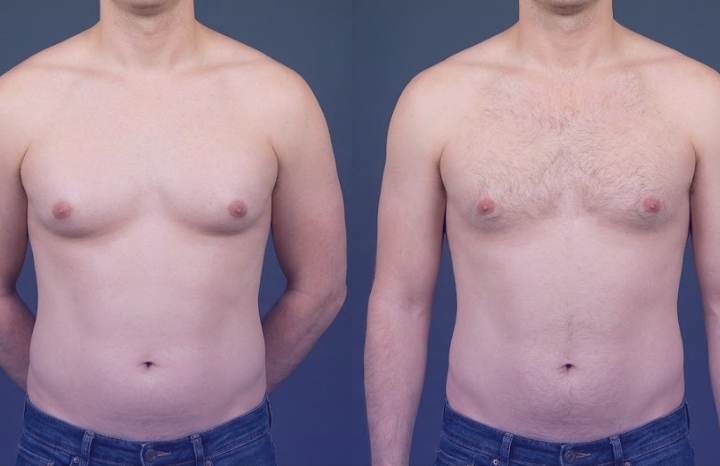
Yes – viewing before and after photos is a helpful way to understand the kind of results that can be achieved. While every case is different, these examples can give you a realistic idea of improvements in chest contour, symmetry, and scarring. Our clinic provides a gallery of real patient results performed by our experienced surgeons. These images are shown with patient consent and are a valuable reference during your consultation.
You’ll be given full pre-operative instructions during your consultation, but general advice includes:
Stop smoking at least 2 weeks before and after surgery
Avoid blood-thinning medication (e.g. aspirin, ibuprofen) unless advised otherwise
Arrange for a responsible adult to drive you home and stay with you after surgery
Maintain a healthy diet and hydration in the days leading up to surgery
Shower the night before or morning of surgery using antibacterial wash (if recommended)
Gynaecomastia surgery is typically performed under general anaesthesia, meaning you will be fully asleep during the operation. In some minor cases involving only liposuction, local anaesthetic with sedation may be considered, but this depends on individual assessment. Our surgical team will determine the safest and most comfortable option for you during your pre-operative planning.
Most patients describe the discomfort as mild to moderate in the first few days. It is generally well-managed with prescribed pain relief. The area may feel tight, sore, or bruised – particularly during the first week.
You’ll also be wearing a compression garment to help reduce swelling and support the chest as it heals. Any sharp or worsening pain should be reported to your surgical team.
Pain is usually managed with a combination of paracetamol and prescribed anti-inflammatories or mild opioids if needed. You’ll also be advised to:
Wear your compression garment 24/7 for the first few weeks
Avoid strenuous exercise or upper body workouts for at least 4–6 weeks
Sleep on your back with elevated pillows to reduce swelling
Keep the wound clean and dry, and attend all follow-up appointments
Avoid driving or lifting for at least 1 week, or as advised
Recovery is gradual, but most patients return to desk-based work within 5–7 days.