

If a scar is affecting your confidence or how you feel about your skin, there are safe and effective ways to improve it. At City Dermatology Clinic, our doctors perform precise scar revision procedures to smooth uneven texture, reduce redness, and restore a more natural appearance. Every case is treated individually. During your consultation at our Harley Street or City of London clinic, your doctor will assess the scar and explain the best treatment options – from minor surgical revision to laser or advanced skin therapy.

Scar revision surgery is highly individual. The right approach depends on the type, size, and depth of the scar, as well as how your skin has healed over time. At City Dermatology Clinic, our doctors and surgeons offer a range of treatments designed to improve the texture, colour, and visibility of scars.
Minor Surgical Revision
For raised, thickened, or irregular scars, a small surgical procedure may be carried out under local anaesthetic. The doctor carefully removes the old scar tissue and repositions the skin to encourage a neater, flatter line that heals more evenly.
Laser Treatments
In some cases, laser resurfacing or fractional treatments are used to smooth the scar and blend its tone with the surrounding skin. These methods are particularly effective for acne scars or fine post-surgical marks.
Steroid Therapy
For hypertrophic or keloid scars, corticosteroid injections or silicone gel treatments may be used to soften and flatten the tissue over time. These can also be combined with minor revision for improved results.
Combination Approach
Often, the best outcomes are achieved through a combination of surgical and non-surgical methods. Your doctor will assess your scar during consultation and recommend a treatment plan that balances appearance, safety, and recovery.
Not all scars heal the same way. Their appearance depends on factors such as skin type, wound depth, and how the body heals. Understanding the type of scar helps determine the most effective treatment.
Flat or Mature Scars
These are healed scars that have faded over time but may still leave a visible line or slight change in skin texture. Surgical revision or laser treatment can help blend these with the surrounding skin.
Hypertrophic Scars
These scars become raised and firm but remain within the original wound boundary. They often improve with time but can benefit from steroid injections, silicone gel, or minor surgical correction to flatten and soften the tissue.
Keloid Scars
Keloids extend beyond the original wound area and can be itchy, painful, or cosmetically distressing. They require careful management, often a combination of surgical removal, steroid therapy, and silicone-based aftercare to reduce recurrence.
Atrophic or Depressed Scars
Common after acne or chickenpox, these scars appear as shallow indentations in the skin. Treatments such as laser resurfacing, microneedling, or surgical subcision can help stimulate collagen and restore smoother skin.
Contracture Scars
These develop when a large area of skin is lost, often after burns, and can tighten the skin around joints. Surgical revision or skin grafting may be needed to restore flexibility and function.
cScars form as part of the body’s natural healing process when the deeper layers of skin are damaged. Collagen is produced to close the wound, but this new tissue often looks and feels different from the surrounding skin.
The appearance of a scar can depend on several factors, including genetics, wound depth, tension on the healing skin, and the area of the body affected. Some people naturally produce more collagen, leading to thicker or raised scars such as hypertrophic or keloid scars.
Common causes of scarring include:
Surgery or injury – incisions, cuts, or trauma that heal with visible marks.
Acne or skin conditions – repeated inflammation can damage the deeper layers of skin.
Burns – which may result in tight or irregular scar tissue.
Infections or delayed healing – which can interfere with smooth tissue repair.
While many scars fade over time, others remain raised, sunken, or discoloured. If a scar affects your confidence or movement, a consultation with a specialist can help determine whether revision surgery or non-surgical treatment is suitable.
All procedures are performed by qualified dermatology and minor surgery doctors with years of experience treating ingrown hairs, cysts, and related skin conditions. This ensures every removal is done safely, precisely, and with minimal risk of scarring or recurrence.
Specialist Clinics in Harley Street and the City of London
We operate from two leading medical locations, offering convenient access and discreet, professional care. Both clinics are fully equipped for same-day consultations and procedures, allowing most patients to have their ingrown hair treated in a single visit.
Safe, Doctor-Led Techniques
Our approach combines sterile medical techniques with advanced skin treatments for long-term improvement. From precise manual extraction to laser hair reduction for chronic cases, we choose the safest and most effective method for your skin type and concern.
Focus on Prevention and Results
We don’t just remove the ingrown hair, we help prevent it from coming back. Our doctors provide tailored advice on skincare, hair removal methods, and follow-up treatment options to keep your skin clear, smooth, and irritation-free.
Trusted Reputation and Patient Care
City Dermatology Clinic is known for its professional, patient-centred care. From your first consultation through to aftercare, you’ll be looked after by an experienced team who prioritise comfort, safety, and natural-looking results.
Our Team
Meet the doctors and reconstructive surgeons who carry out scar revision procedures at City Dermatology Clinic. Each is experienced in assessing and improving a wide range of scars, from minor surface marks to more complex surgical or keloid scars.
You’ll be treated by a medical professional skilled in both diagnosis and surgical technique, ensuring precise, natural-looking results. Depending on the type and location of your scar, you may see either a dermatologist or reconstructive surgeon. All procedures are performed under sterile conditions with a focus on safety, comfort, and optimal healing.
Meet the doctors and reconstructive surgeons who carry out scar revision procedures at City Dermatology Clinic. Each is experienced in assessing and improving a wide range of scars, from minor surface marks to more complex surgical or keloid scars.
You’ll be treated by a medical professional skilled in both diagnosis and surgical technique, ensuring precise, natural-looking results. Depending on the type and location of your scar, you may see either a dermatologist or reconstructive surgeon. All procedures are performed under sterile conditions with a focus on safety, comfort, and optimal healing.

BSc, MBChB, FRCS

MD, PhD

MBBS, MRCS

MBBS, MD, MRCP
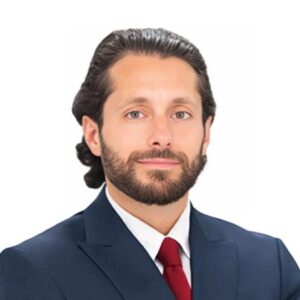
MB ChB FRCS

MBBS, MSc, FRCS

MBBS, MSc, FRCS

MA MBBS FRCS

MD, PhD, CCT

MD, MSc, FRCS, FEBOPRAS
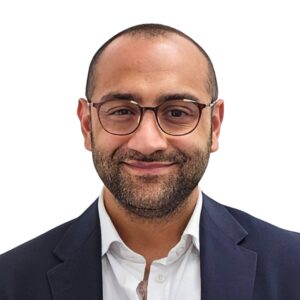
BSc, MBChB, FRCS

MBBS, FRCS
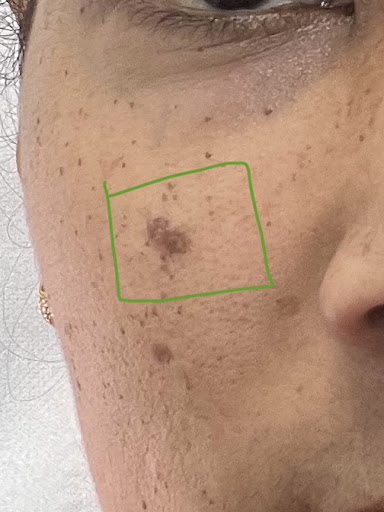
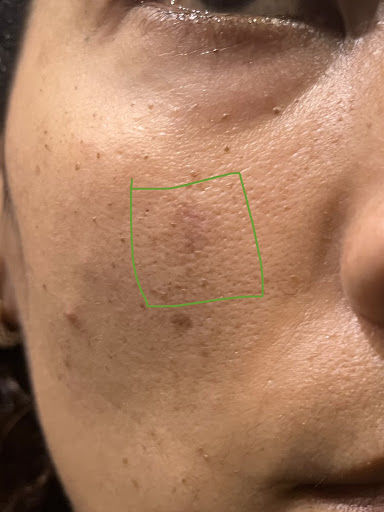
Scar revision surgery is a procedure that improves the appearance of a scar by removing or repositioning the affected tissue. It can make scars flatter, smoother, and less noticeable, while also improving comfort or movement in the surrounding skin.
Most people with visible or raised scars can benefit from treatment. During your consultation, your doctor will assess the scar type, location, and skin tone to determine the safest and most effective approach, whether surgical or non-surgical.
Scar revision is usually performed under local anaesthetic, meaning the area is completely numb during treatment. Any mild soreness afterwards can be managed easily with standard pain relief.
No treatment can remove a scar entirely, but revision surgery can significantly improve its appearance, texture, and colour. The goal is a more discreet, natural-looking result that blends with the surrounding skin.
Healing time varies depending on the size and location of the scar. Most patients return to normal activities within a few days. Your doctor will provide clear aftercare instructions to support proper healing and minimise the risk of recurrence.
Yes. Even scars that are several years old can often be improved through surgical or laser-based treatment. Your doctor will advise on the best option once they’ve examined the scar.
In most cases, once a scar has been revised, it won’t return. However, people prone to keloid or hypertrophic scarring may need follow-up care, such as silicone gel or steroid therapy, to maintain results.
Yes. Every patient is seen by a doctor or reconstructive surgeon before treatment. This ensures the scar is assessed accurately and the correct method is chosen for your skin and healing pattern.