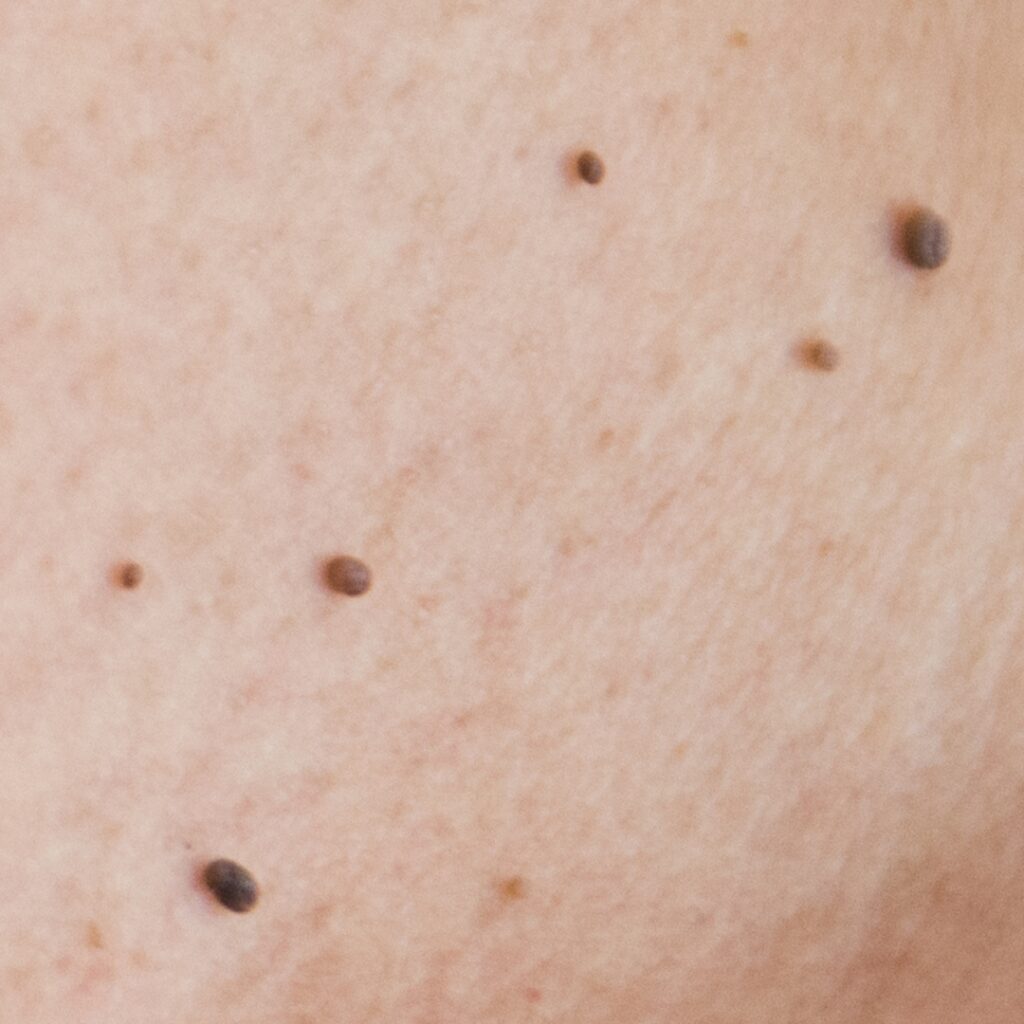
Noticing skin tags appearing suddenly can be frustrating or worrying, but they’re usually harmless. These small, soft growths often form where skin rubs against skin or clothing and can be linked to hormonal changes, weight fluctuations, or even genetics. Here’s what causes skin tags, how to check they’re safe, and the best ways to remove them at City Dermatology Clinic in London.
What Skin Tags Are
Skin tags, also known as acrochordons, are small, soft, flesh-coloured growths that hang slightly off the skin. They are made up of normal skin and connective tissue and are completely benign.
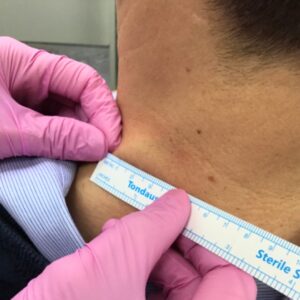
They often appear in areas where skin rubs against skin or clothing, such as the neck, armpits, groin, or under the breasts. While harmless, they can become irritated, especially if caught by jewellery, shaving, or tight clothing.
How to recognise a skin tag
- Small, soft bump, usually flesh-coloured or slightly darker
- Painless and smooth to the touch
- Often attached by a narrow stalk or “stem”
Common areas where they appear
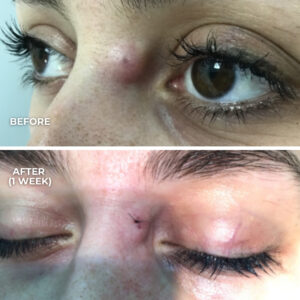
Skin tags are most common on the neck, armpits, eyelids, groin, and under the breasts, but they can appear almost anywhere on the body.
Why Skin Tags Can Appear Suddenly
It’s common to notice a few skin tags appear seemingly overnight, but the process usually happens gradually. These are the most common reasons for a sudden increase:
Friction and rubbing
Constant rubbing, whether from skin folds, clothing, or accessories like necklaces, can trigger skin tags to form. This is why they are so common in the neck and armpit areas.
Hormonal changes, including pregnancy
Hormonal fluctuations, such as during pregnancy, perimenopause, or with certain medications, can make skin tags more likely to develop.
Weight changes and metabolic factors
Sudden weight gain or insulin resistance can increase the chance of developing skin tags. This is why they are more common in people with type 2 diabetes or metabolic syndrome.
Genetics and family history
If close family members have skin tags, you may simply be genetically predisposed to developing them.
When to Get Them Checked
Most skin tags are harmless, but it’s still sensible to have any new growths checked, especially if they change in appearance.
Signs that a growth might not be a skin tag
If a spot grows quickly, bleeds, changes colour, or becomes painful, it could be something other than a skin tag. These signs should always be assessed by a dermatologist.
When to consult a dermatologist
A quick in-clinic assessment can confirm the diagnosis and give you peace of mind. At City Dermatology Clinic, this is a simple visual check, and treatment can often be done during the same visit.
Safe Removal Options
Skin tags don’t need treatment unless they’re causing irritation or you’d prefer them removed for cosmetic reasons. At City Dermatology Clinic in London, skin tag removal is quick, safe, and performed by experienced dermatologists.
Cryotherapy
Liquid nitrogen is applied to freeze the skin tag, causing it to dry out and fall off after a few days. This option works best for smaller tags.
Cautery
A fine heated probe gently cauterises the base of the skin tag, removing it instantly. This is a precise method with minimal discomfort and a short recovery time.
Minor surgical excision
For larger or thicker skin tags, a small surgical removal may be recommended. This is done under local anaesthetic and heals quickly with little to no scarring.
Recovery and aftercare
Most patients can return to normal activities immediately. Aftercare usually involves keeping the area clean and avoiding friction until it heals. Scarring is uncommon when performed by an experienced dermatologist.
Preventing New Skin Tags
While it’s not always possible to prevent skin tags entirely, a few adjustments may help reduce the chance of new ones forming:
Reducing friction and irritation
Wearing softer fabrics, avoiding tight collars or jewellery, and applying a barrier cream to skin folds can help reduce irritation in common areas.
Monitoring hormonal or metabolic triggers
Maintaining a healthy weight, managing blood sugar levels, and addressing any hormonal changes with your GP can help lower the risk of new skin tags developing.