Squamous cell carcinoma (SCC) is the second most common type of skin cancer. Unlike basal cell carcinoma, SCC grows more quickly and can, in rare cases, spread to other parts of the body. The good news is that when caught early, SCC is highly treatable and curable.
At City Dermatology Clinic in London, our dermatologists diagnose and treat SCC using advanced techniques to remove the cancer effectively while preserving healthy skin and minimising scarring.
What Squamous Cell Carcinoma Is
SCC develops in the squamous cells, which form the upper layers of the skin. Chronic UV exposure damages these cells over time, causing abnormal growth that develops into a tumour.
Why early detection matters
Unlike basal cell carcinoma, which rarely spreads, SCC has a small but real risk of metastasis (spreading to lymph nodes or other organs). Early treatment reduces this risk significantly and makes the procedure simpler, with smaller scars.
Common Causes and Risk Factors
Sun and UV exposure
Long-term sun damage is the leading cause of SCC. Years of cumulative exposure, combined with episodes of sunburn, weaken the DNA in skin cells, making cancer more likely.
Skin type, genetics, and age
- Fair skin, light eyes, or freckles
- History of significant sunburns
- Over the age of 50, though SCC is increasingly diagnosed in younger adults
Other contributing factors
- Use of tanning beds
- Weakened immune system
- Chronic wounds, scars, or inflammation
- Exposure to certain chemicals or radiation therapy
Early Signs and Symptoms
SCC can look different depending on its stage and location, but some common signs include:
- A rough, scaly patch that doesn’t heal
- A firm, raised lump that may crust or bleed
- A sore that heals and then reopens
- Thickened or wart-like growths on sun-exposed areas
High-risk areas
SCC commonly develops in areas that get the most sun, including:
- Face, ears, scalp, and neck
- Backs of the hands and forearms
- Lower legs in women
Diagnosis and Assessment
Visual examination and dermoscopy
A dermatologist examines the lesion and uses dermoscopy to analyse skin structures beneath the surface. This helps differentiate SCC from other skin conditions like eczema, psoriasis, or benign keratoses.
Biopsy confirmation
To confirm the diagnosis, a skin biopsy is performed. A small sample or the entire lesion is removed under local anaesthetic and examined under a microscope. This step also helps determine how deep the cancer has grown, which guides the treatment plan.
Treatment Options
Treatment for SCC aims to completely remove the cancer while leaving as much healthy tissue intact as possible.
Surgical excision
This is the most common and effective treatment. The tumour and a small margin of healthy skin are removed, and the wound is closed with fine stitches for a neat result.
Mohs micrographic surgery
For SCCs in sensitive or high-risk areas, Mohs surgery offers the highest cure rate. Thin layers of skin are removed and examined under a microscope until no cancer cells remain, ensuring complete removal with minimal impact on surrounding tissue.
Other options for selected cases
- Curettage and cautery: Scraping away the cancer and sealing the area
- Cryotherapy: Freezing the lesion for small or superficial SCCs
- Topical treatments: Prescription creams for very early-stage SCC (also called SCC in situ or Bowen’s disease)
- Radiotherapy: Sometimes used when surgery isn’t an option
Recovery and Monitoring
Healing and scar care
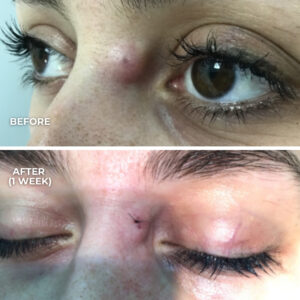
- Most surgical wounds heal within 1–2 weeks.
- Silicone gels or tapes can help scars flatten and fade.
- Sun protection is vital during healing to prevent pigmentation.
Importance of regular follow-up
After an SCC diagnosis, you’ll need regular skin checks to catch any new or recurrent lesions early. Early follow-up often means simpler, less invasive treatments.
Prevention Tips
- Use broad-spectrum SPF 30+ daily, even in cloudy weather
- Wear protective hats and clothing during prolonged sun exposure
- Avoid tanning beds entirely
- Check your skin regularly for new or changing spots, and seek medical advice promptly