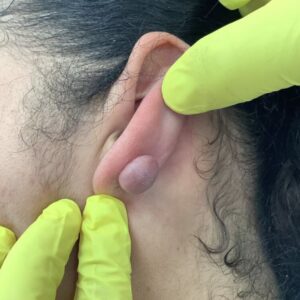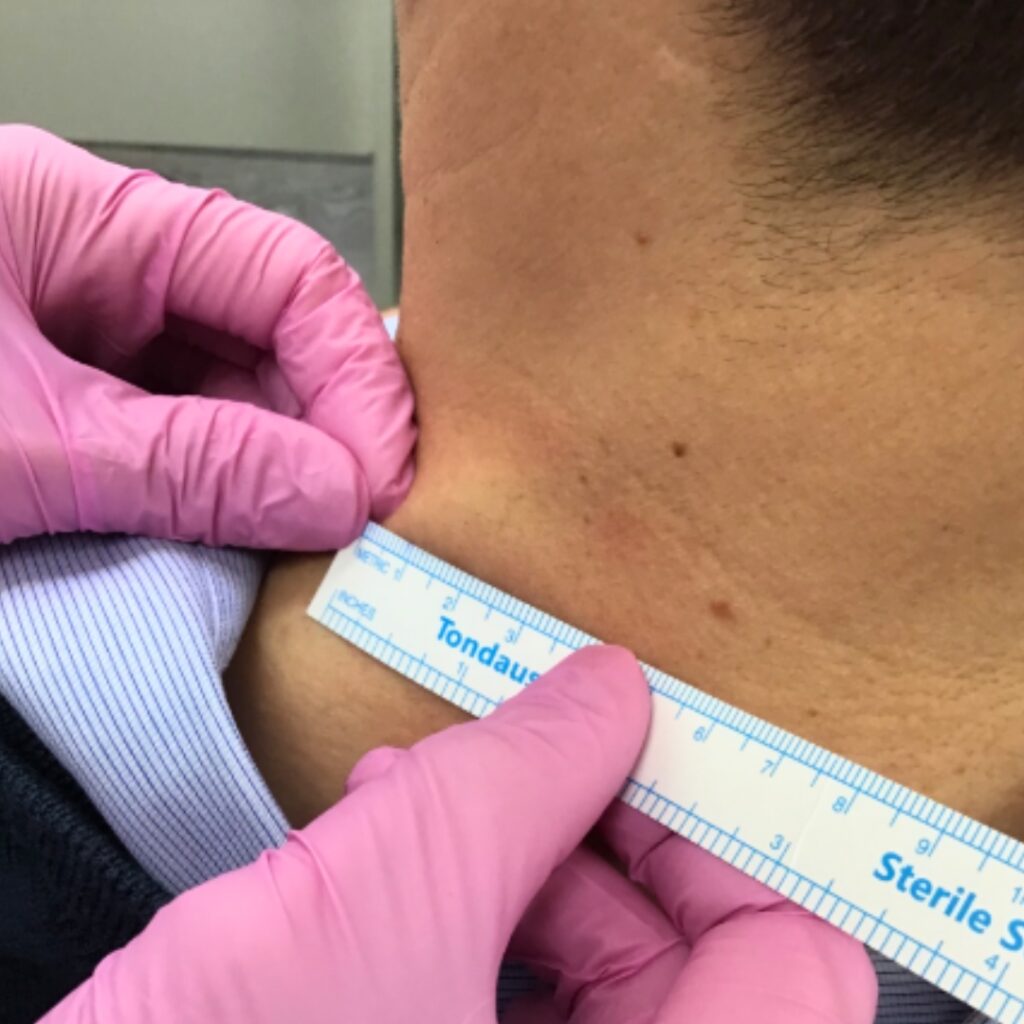
A lipoma on the neck is a common reason patients seek surgical assessment. While most lipomas are benign (non-cancerous), their location on the neck can make them more noticeable and sometimes uncomfortable.
At City Dermatology Clinic in London, lipomas are assessed carefully to confirm diagnosis and determine whether removal is appropriate.
What Is a Lipoma?
A lipoma is a soft, slow-growing lump made up of fatty tissue. It develops beneath the skin and is usually:
- Soft or rubbery to touch
- Freely movable under the skin
- Painless
- Gradually enlarging over time
Lipomas can occur anywhere on the body, but the neck is a frequent site.
Why Lipomas Develop on the Neck
The exact cause is not always clear. Possible contributing factors include:
- Genetic tendency
- Minor trauma to the area
- Natural fat cell overgrowth
Most lipomas develop slowly and may remain stable for years.
Symptoms of a Neck Lipoma
Many lipomas cause no symptoms other than a visible or palpable lump. However, on the neck they may:
- Be more noticeable due to the exposed location
- Catch on clothing or collars
- Cause cosmetic concern
- Occasionally press on nearby structures if larger
If a lump grows rapidly, becomes painful, or changes in texture, medical assessment is important to exclude other causes.
Assessment of a Lump on the Neck
Not every lump on the neck is a lipoma. During consultation, a clinician will:
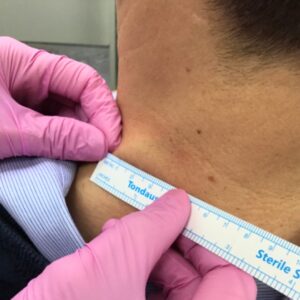
- Examine the size, depth, and mobility of the lump
- Review how long it has been present
- Ask about growth pattern and symptoms
- Consider whether imaging or further tests are required
Suitability for removal depends on location, size, and clinical findings.
Treatment Options
If the lipoma is small and not causing symptoms, no treatment may be required. Many lipomas are left alone unless they grow or become bothersome.
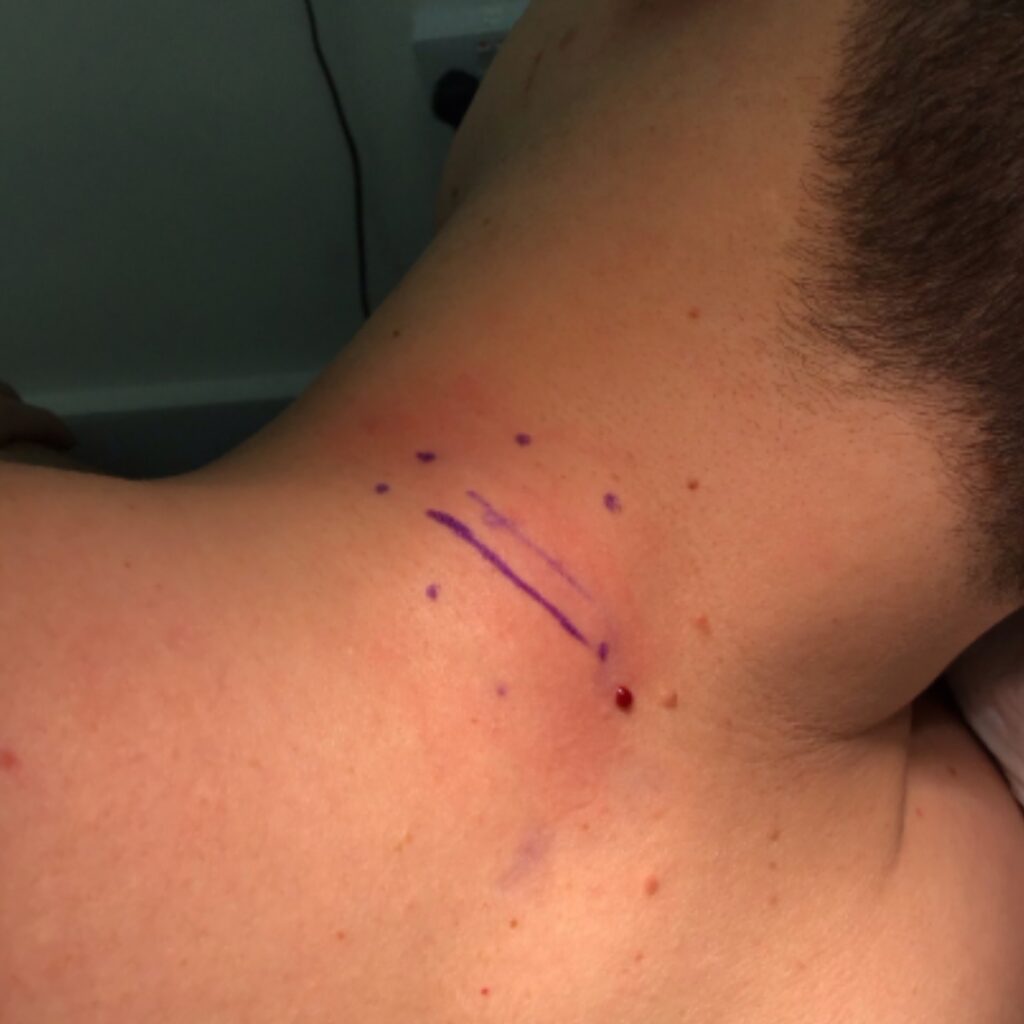
Surgical Removal
If removal is appropriate, it is usually performed under local anaesthetic.
The procedure typically involves:
- Numbing the area
- Making a small incision over the lump
- Carefully separating and removing the fatty tissue
- Closing the incision with sutures
The aim is to remove the lipoma intact where possible.
Because the neck contains important structures, careful surgical technique is essential. Larger or deeper lipomas may require assessment by a plastic surgeon.
City Dermatology Clinic in London manages a range of minor surgical procedures, including lipoma removal.
Recovery After Neck Lipoma Removal
Recovery varies depending on:
- The size of the lipoma
- Its depth
- Individual healing factors
Aftercare instructions usually include:
- Keeping the area clean and dry
- Avoiding strain or stretching of the neck
- Attending follow-up for suture removal if required
Scarring can occur with any incision. Scar appearance depends on skin type, wound care, and individual healing response.
Risks to Be Aware Of
As with any minor surgical procedure, potential risks may include:
- Bleeding
- Infection
- Scarring
- Temporary numbness
- Recurrence
These risks are discussed during consultation so patients can make an informed decision.
When to Seek Medical Advice
You should arrange assessment if:
- A lump on the neck is enlarging
- It becomes painful
- It feels firm or fixed
- You are unsure of the diagnosis
A clinician can assess the lump and advise whether it is consistent with a lipoma or requires further investigation.
Lipoma Removal in London
The neck is a visible area, and many patients seek removal for cosmetic reasons or reassurance. At City Dermatology Clinic in London, consultation allows for careful assessment and discussion of appropriate management options.
If you have noticed a lump on your neck and would like it examined, booking a consultation enables a clinician to provide individual guidance based on your specific circumstances.