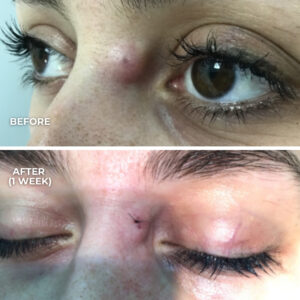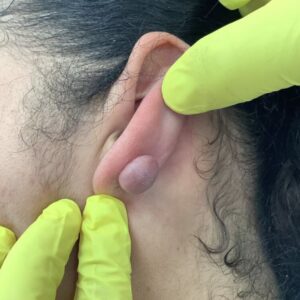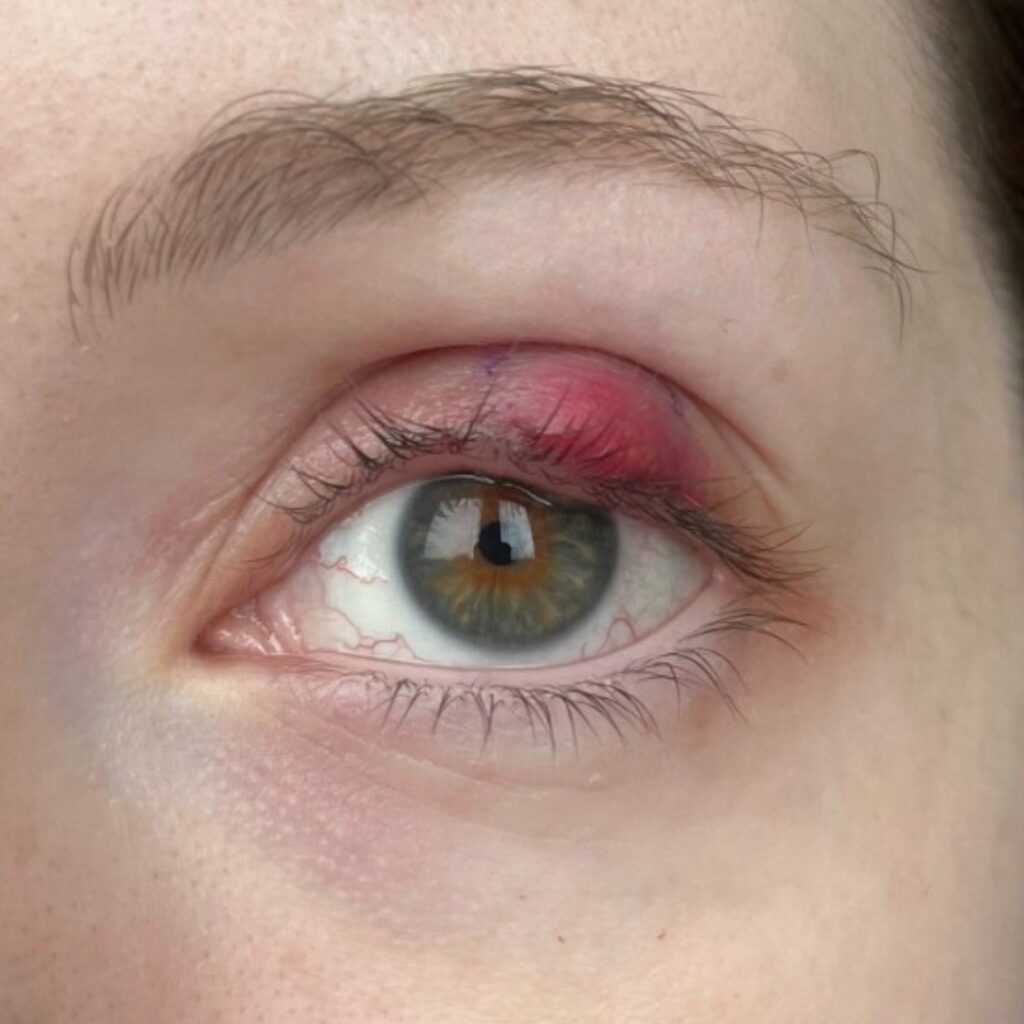
A chalazion is a small, usually painless lump on the eyelid caused by a blocked oil gland. While they may not always cause discomfort, chalazions can be unsightly and, in some cases, interfere with vision if they grow large enough. Many clear on their own over time, but for some people, they recur repeatedly, often because the underlying causes aren’t addressed.
Understanding what triggers a chalazion is the first step towards preventing it. In this article, we’ll explain how they form, explore the most common causes, and share practical steps you can take to reduce your risk of developing one again.
Understanding a Chalazion
A chalazion develops when one of the small oil glands in your eyelid, known as the Meibomian glands, becomes blocked. These glands produce an oily substance that helps keep the surface of your eyes lubricated and prevents your tears from evaporating too quickly.
When a gland becomes clogged, the trapped oil can lead to inflammation and swelling, forming a lump under the skin of the eyelid. Unlike a stye (hordeolum), which is caused by a bacterial infection and tends to be red and painful, a chalazion is typically not infected and often feels firmer to the touch.
Symptoms can include:
- A painless swelling or lump in the upper or lower eyelid
- Mild tenderness in some cases
- Blurred vision if the lump is large enough to press against the eye
- Cosmetic concerns, particularly if the chalazion is visible in social or professional settings

Common Causes and Risk Factors
While anyone can develop a chalazion, certain factors increase the risk:
1. Poor eyelid hygiene
Not cleaning the eyelids properly can lead to a build-up of oils, dead skin cells, and bacteria, increasing the likelihood of blocked Meibomian glands.
2. Blepharitis
This chronic inflammation of the eyelid margins can make chalazions more likely. People with blepharitis often have oily skin around the eyelids, which can clog the glands more easily.
3. Skin conditions
Conditions such as rosacea or seborrhoeic dermatitis can affect the skin’s oil production and lead to recurrent blockages.
4. Contact lens wear
Using lenses without proper cleaning or overwearing them can increase the risk of eyelid irritation and blockage of oil glands.
5. Hormonal changes and certain medications
Hormonal fluctuations and some acne medications can alter oil gland function, making blockages more common.
6. Recurrence from incomplete healing
If a previous chalazion didn’t fully heal or if the gland remains partially blocked, it may reform in the same place.
Preventing a Chalazion from Forming Again
Although not all chalazions can be prevented, following a consistent eye-care routine can significantly lower your risk:
Daily eyelid hygiene
Gently clean the eyelids using a warm compress for 5–10 minutes once or twice a day. This helps liquefy the oils in the glands and prevents blockages. Use a clean cloth or commercially available eye mask, followed by a lid scrub if recommended by your doctor.
Manage underlying conditions
If you have blepharitis, rosacea, or other skin issues, keep them under control with prescribed treatments and regular monitoring.
Replace old makeup and contact lenses
Avoid using expired or shared eye makeup, and always replace mascara and eyeliner every three months. For contact lens wearers, follow proper cleaning instructions and replace lenses as recommended.
Diet and lifestyle
Eating a balanced diet rich in omega-3 fatty acids (found in oily fish, flaxseeds, and walnuts) can help improve oil quality in the Meibomian glands. Staying hydrated and managing stress can also support overall eye health.
Regular eye check-ups
Routine visits to an optometrist or ophthalmologist can help catch early signs of gland dysfunction before a chalazion forms.
When to Seek Medical Advice
While small chalazions can often be managed at home, there are times when professional treatment is the safest option:
- The chalazion is large or affecting your vision
- It is painful, inflamed, or showing signs of infection
- You experience frequent recurrences
- Home treatments haven’t worked after several weeks
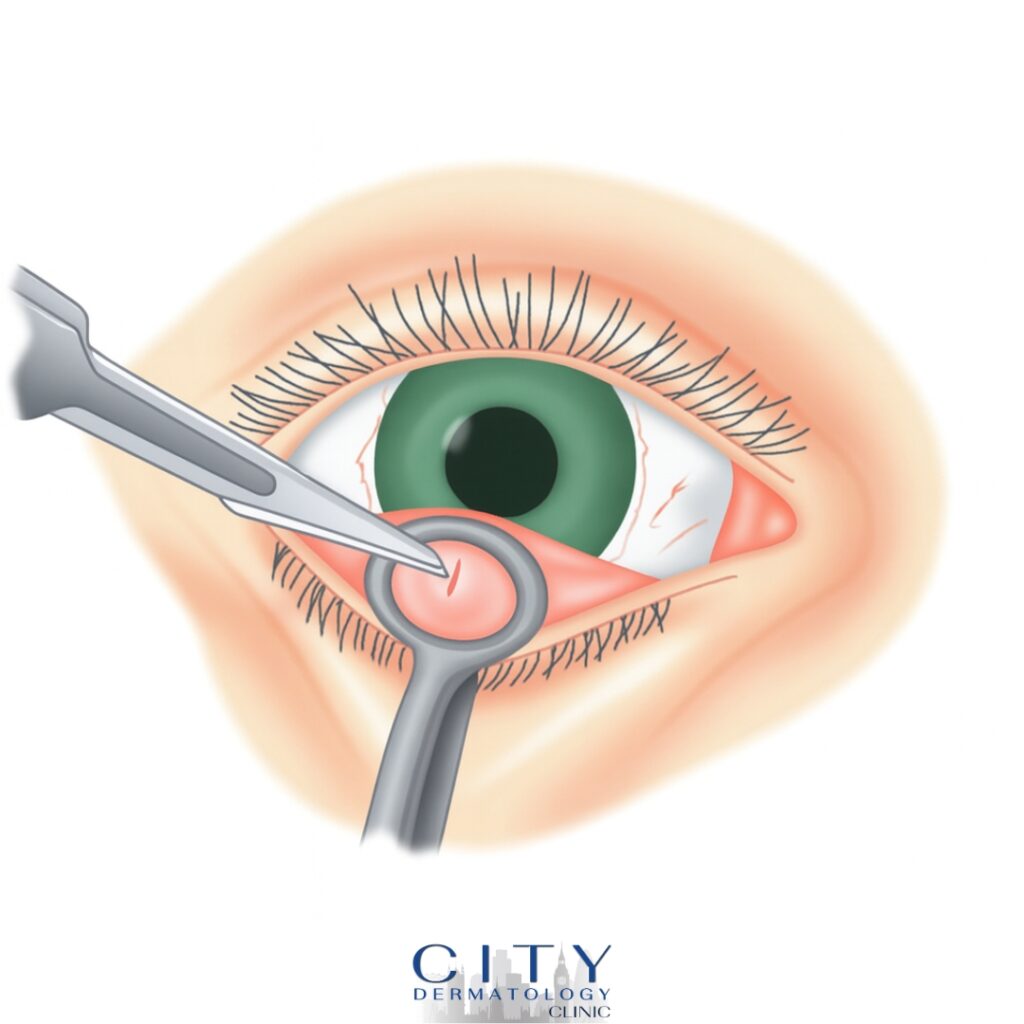
At City Dermatology Clinic, chalazion removal is performed by a team of highly experienced consultant ophthalmologists, each with their own specialist expertise:
- Mr Mohsan Malik – Consultant Ophthalmologist and Oculoplastic Surgeon with advanced expertise in eyelid, periocular, and orbital conditions. Known for his precise surgical techniques and strong academic background, he regularly treats eyelid cysts, skin cancers, and cosmetic eyelid concerns.
- Mr Sing Yue Sim – Consultant Ophthalmologist with subspecialist expertise in retinal disease, uveitis, and laser eye surgery. He trained at Cambridge and Moorfields and brings a calm, methodical approach to patient care.
- Mr Sher Aslam – Consultant Ophthalmologist with extensive experience in vitreoretinal surgery. A former Lieutenant Colonel in the Defence Medical Services, he combines surgical skill with a strong research background in retinal disease.
- Mr Derek Ho – Consultant Ophthalmologist specialising in corneal and refractive surgery. He trained at Bristol Eye Hospital and Cheltenham General Hospital and has presented research internationally.
Our team offers both non-surgical management and minor surgical procedures for chalazions, including same-day appointments for patients who prefer fast treatment. With the right care, we aim not just to remove the chalazion but also to help you prevent it from returning.