A sudden appearance of multiple cherry angiomas can be alarming, but these bright red skin spots are usually harmless. They’re often linked to ageing, genetics, and lifestyle factors, and can be treated easily if you’d prefer them removed. Here’s what causes cherry angiomas, how to confirm the diagnosis, and the most effective removal options available at City Dermatology Clinic in London.
What Cherry Angiomas Are
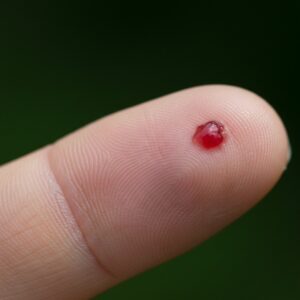
Cherry angiomas are small, bright red or purple spots that form just under the skin. They’re made up of clusters of tiny blood vessels, giving them their distinct colour. Most are round or oval, flat at first, and may become slightly raised over time.

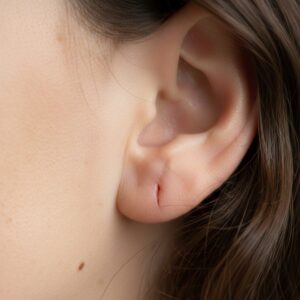
They’re one of the most common benign skin growths, especially in adults over 30, and can appear anywhere on the body, though they’re most often seen on the torso, arms, or legs.
How to recognise a cherry angioma
- Small (usually 1–5 mm) bright red, purple, or dark spots
- Smooth, dome-shaped or slightly raised
- Painless and typically don’t itch or bleed unless scratched
Difference between angiomas and other red skin spots
Not all red spots on the skin are cherry angiomas. They can sometimes be confused with conditions such as petechiae, keratoses, or even early skin cancers. Unlike those conditions, cherry angiomas stay stable in size, don’t scab over, and usually remain painless. A dermatologist can confirm the difference during a skin check.
Common Reasons for a Sudden Increase
Seeing several new cherry angiomas appear in a short time is more common than most people think. These are the main reasons it happens:
Ageing and genetic factors
Genetics play a major role, if your parents had cherry angiomas, you’re more likely to develop them too. Ageing is another key factor, as skin and blood vessel changes make angiomas more likely to form after your 30s or 40s.
Hormonal shifts or pregnancy
Changes in hormones, particularly during pregnancy, can trigger new angiomas. They may also appear with certain hormonal therapies or during perimenopause.
Medications and topical treatments
Some medications, particularly those that affect blood vessels or the liver, have been linked to angioma growth. Topical steroid use may also play a role, though this is less common.
Environmental or lifestyle triggers
Excessive sun exposure, high stress levels, or even rapid weight gain have been suggested as possible triggers. While research isn’t conclusive, these factors may explain sudden clusters of angiomas in some people.
Diagnosis and Assessment
A sudden cluster of red skin spots can be unsettling, which is why a professional skin check is the safest way to confirm whether they’re cherry angiomas.
How dermatologists examine and confirm cherry angiomas
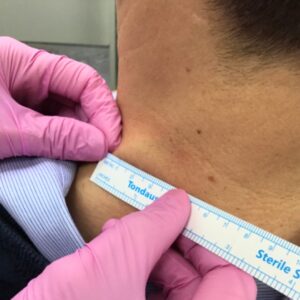
At City Dermatology Clinic, a dermatologist will examine the skin visually and, if needed, use a dermatoscope, a small magnifying tool that makes it easier to see the structure of the spot. This is usually enough to make a clear diagnosis.
Simple in-clinic checks vs. additional tests
Most cases don’t need further investigation because cherry angiomas are harmless. However, if the appearance is unusual or there are other symptoms, your dermatologist may suggest additional checks to rule out other conditions.
Treatment Options for Cherry Angiomas
Cherry angiomas don’t require treatment unless they’re causing discomfort or you’d like them removed for cosmetic reasons. At City Dermatology Clinic, several effective options are available.
Laser removal
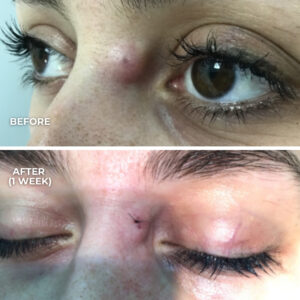
Laser therapy is one of the most popular methods. A focused beam of light targets the blood vessels within the angioma, causing it to fade or disappear. This treatment is quick, with minimal discomfort and a short recovery period.
Electrocautery
Electrocautery uses a fine heated probe to seal the blood vessels in the angioma. It’s a precise technique that can remove small lesions in a single session.
Cryotherapy
For some cases, cryotherapy (freezing the angioma with liquid nitrogen) may be used. This option is less common for angiomas but can be suitable for certain patients.
Recovery and aftercare
Most treatments leave only mild redness for a few days. Scarring is rare when the procedure is performed by an experienced dermatologist, and aftercare is simple, usually just keeping the area clean and protected while it heals.
Preventing or Managing New Angiomas
While you can’t completely prevent cherry angiomas, you can take steps to reduce the likelihood of new ones appearing or worsening.
Skin care and lifestyle tips
- Use daily sun protection to reduce stress on the skin
- Maintain a balanced diet to support healthy blood vessels
- Avoid harsh or irritating skin treatments if your skin is sensitive
Monitoring changes over time
Keep an eye on any new spots or changes in existing ones. If you notice rapid changes in size, shape, or colour, or if the spots start to bleed or itch, book a consultation for a check-up.