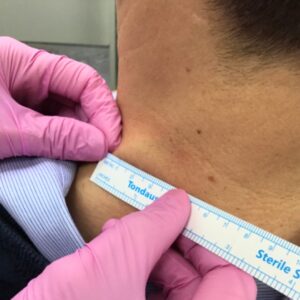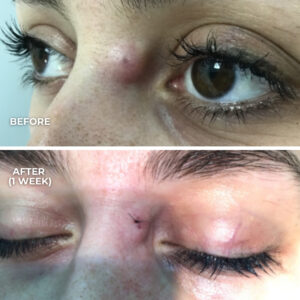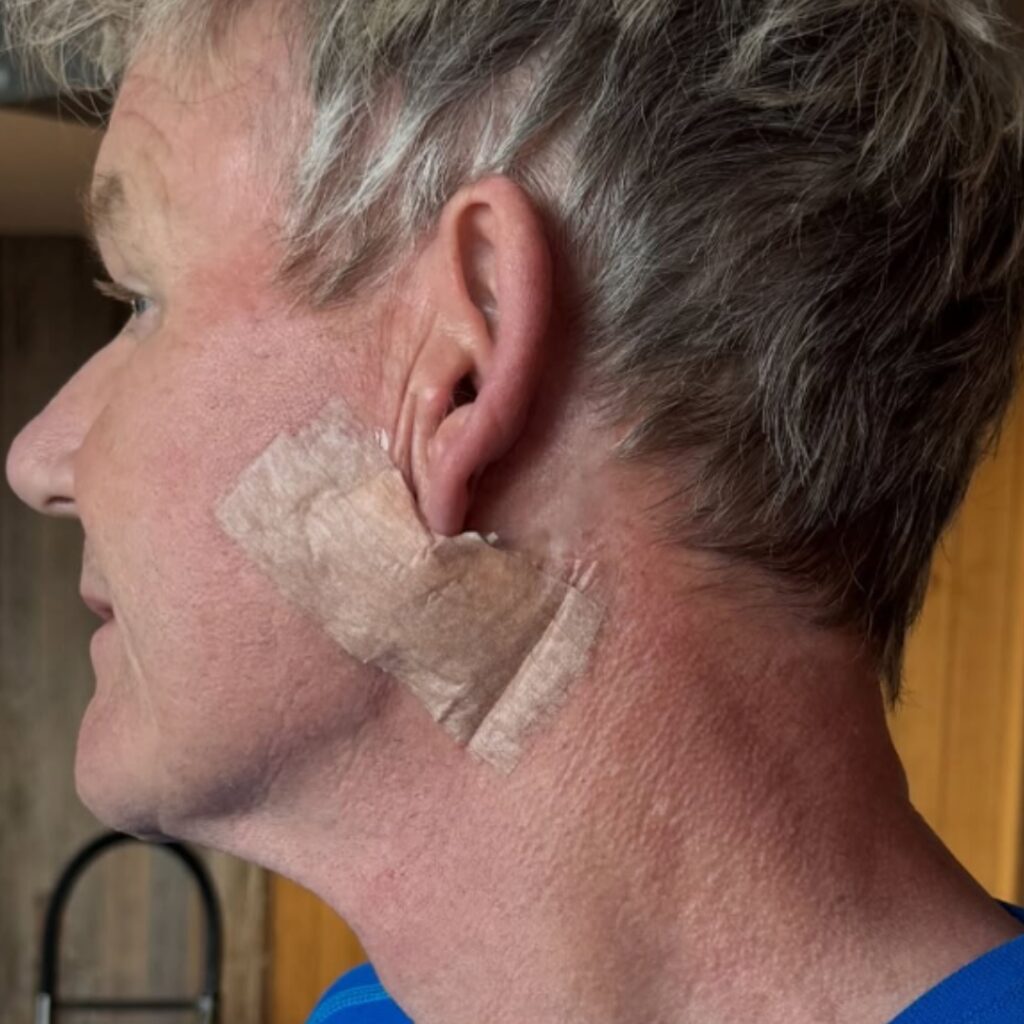
Celebrity chef Gordon Ramsay has revealed he recently underwent surgery to remove a basal cell carcinoma, the most common form of skin cancer. Sharing the news with his signature humour, Ramsay posted images of his stitched cheek and neck on Instagram, thanking his medical team while urging fans to take daily sun protection seriously. His message, while light-hearted, has sparked a serious conversation about UV damage, skin cancer prevention, and the importance of regular skin checks.
Gordon Ramsay Reveals Skin Cancer Surgery
Celebrity chef Gordon Ramsay, 58, has publicly disclosed that he underwent surgery to remove a basal cell carcinoma, the most common form of skin cancer. In a recent Instagram post, Ramsay shared images of his stitched cheek and neck, thanking The Skin Associates for their prompt and effective treatment. With his signature blend of candour and wit, he reassured fans by quipping, “Please don’t forget your sunscreen this weekend … I promise you it’s not a facelift! I’d need a refund.” His message blended personal humor with a serious call to action, a reminder to protect skin from harmful UV exposure.

Understanding Basal Cell Carcinoma (BCC)
Basal cell carcinoma, or BCC, is the most common type of skin cancer, accounting for around 75% of skin cancer cases in the UK. It develops in the basal cells, the skin cells responsible for producing new skin, and is most often caused by cumulative UV exposure from sunlight or tanning beds.
Why it happens
Repeated UV damage over time changes the DNA in basal cells, leading to abnormal growth. BCCs tend to develop in sun-exposed areas, including the face, neck, scalp, and hands, exactly where Ramsay’s lesion appeared.
Why early detection matters
BCCs grow slowly and rarely spread to other parts of the body, but delayed diagnosis can lead to deeper growth and more complex surgery. Early removal, like in Ramsay’s case, typically results in:
- Simpler procedures
- Smaller scars
- Lower risk of recurrence
This highlights why regular skin checks and prompt assessment of any suspicious changes are so important.
Ramsay’s Sunscreen Warning
Alongside photos of his stitches, Gordon Ramsay urged followers to take daily sun protection seriously, writing, “Don’t forget your sunscreen this weekend.” While delivered with humour, his message carried weight, reminding millions that skin cancer isn’t rare, even among those who appear healthy and active.
Why his message matters
Public figures sharing their health experiences often spark valuable conversations. Searches for “sunscreen safety” and “skin checks” surged following Ramsay’s post, showing the power of his platform to raise awareness about skin health.
Expert perspective
Dermatologists stress that broad-spectrum SPF 30+, applied daily and reapplied during extended sun exposure, is one of the simplest and most effective ways to prevent basal cell carcinoma, squamous cell carcinoma, and even melanoma. Wearing hats, sunglasses, and protective clothing adds further protection, particularly during outdoor activities.
Ramsay’s candid update serves as a reminder that prevention and early detection save lives, and that skin cancer doesn’t discriminate, no matter your age, profession, or lifestyle.
Addressing Sunscreen Safety Concerns
While Gordon Ramsay’s post highlighted the importance of sunscreen, it also reignited debates online, with some questioning whether daily sunscreen use is safe. Experts are clear: sunscreen is safe, effective, and essential for preventing skin cancer and sun damage.
Responding to common myths
- “Sunscreen is toxic.”
Research shows that while some chemical filters are absorbed into the bloodstream in tiny amounts, the levels are far below harmful thresholds, according to regulatory bodies like the FDA, MHRA, and the European Commission. - “You don’t need sunscreen on cloudy days.”
Up to 80% of UV rays penetrate clouds, meaning unprotected skin is still at risk of damage and ageing. - “Natural tanning protects against cancer.”
Any change in skin colour is a sign of UV damage, which increases long-term cancer risk.
The evidence
Dermatologists consistently recommend broad-spectrum SPF 30+ for daily use. For sensitive skin, mineral-based sunscreens with zinc oxide or titanium dioxide offer excellent protection with minimal irritation.
What Happens Next for Ramsay – and What We Can All Learn
Following his surgery, Gordon Ramsay is expected to make a full recovery and has already returned to work, sharing updates with his usual humour. But his experience is a reminder that skin health is something no one can afford to ignore.
Key lessons from Ramsay’s story
- Daily SPF saves skin. Protecting your skin consistently reduces your risk of basal cell carcinoma, squamous cell carcinoma, and even melanoma.
- Regular skin checks matter. Early detection makes treatment simpler, with less scarring and better long-term outcomes.
- Awareness drives action. When public figures share their stories, it helps others take symptoms seriously and seek professional advice sooner.
A call to action
If you notice new, changing, or non-healing patches on your skin, or you simply haven’t had a skin check in a while, book an appointment with a qualified dermatologist. Early action is the safest way to protect your skin, and, as Ramsay himself showed, the results can be life-changing.