As January begins, interest in cyst removal, minor skin surgery, and private dermatology procedures in London remains consistently high. Early 2026 has already seen a steady flow of patients seeking assessment for longstanding skin lumps, visible cysts, and lesions that have remained unchanged for years but continue to cause uncertainty or discomfort.
Recent procedural videos published this month provide a practical snapshot of how common cysts are assessed and managed in a clinical setting. Rather than focusing on outcomes, these cases reflect routine practice, highlighting assessment-led decision-making, careful surgical technique, and clinician-led care.
Cyst Removal as Part of Everyday Clinical Practice
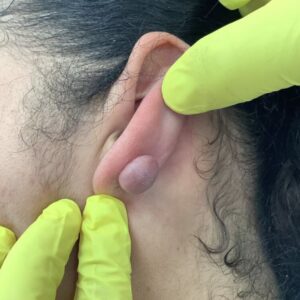
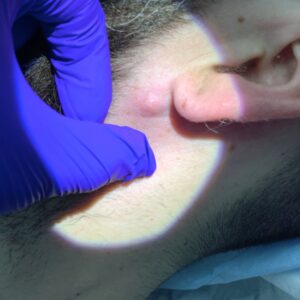
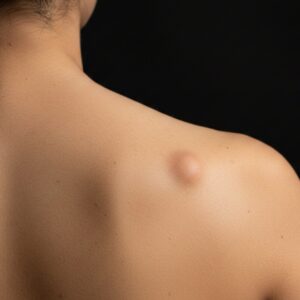
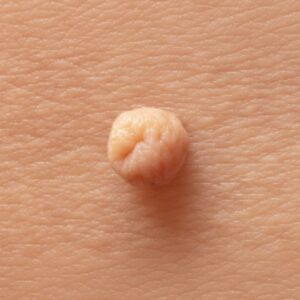
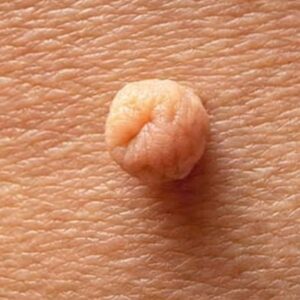
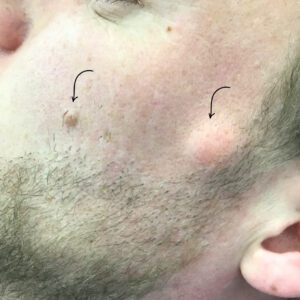
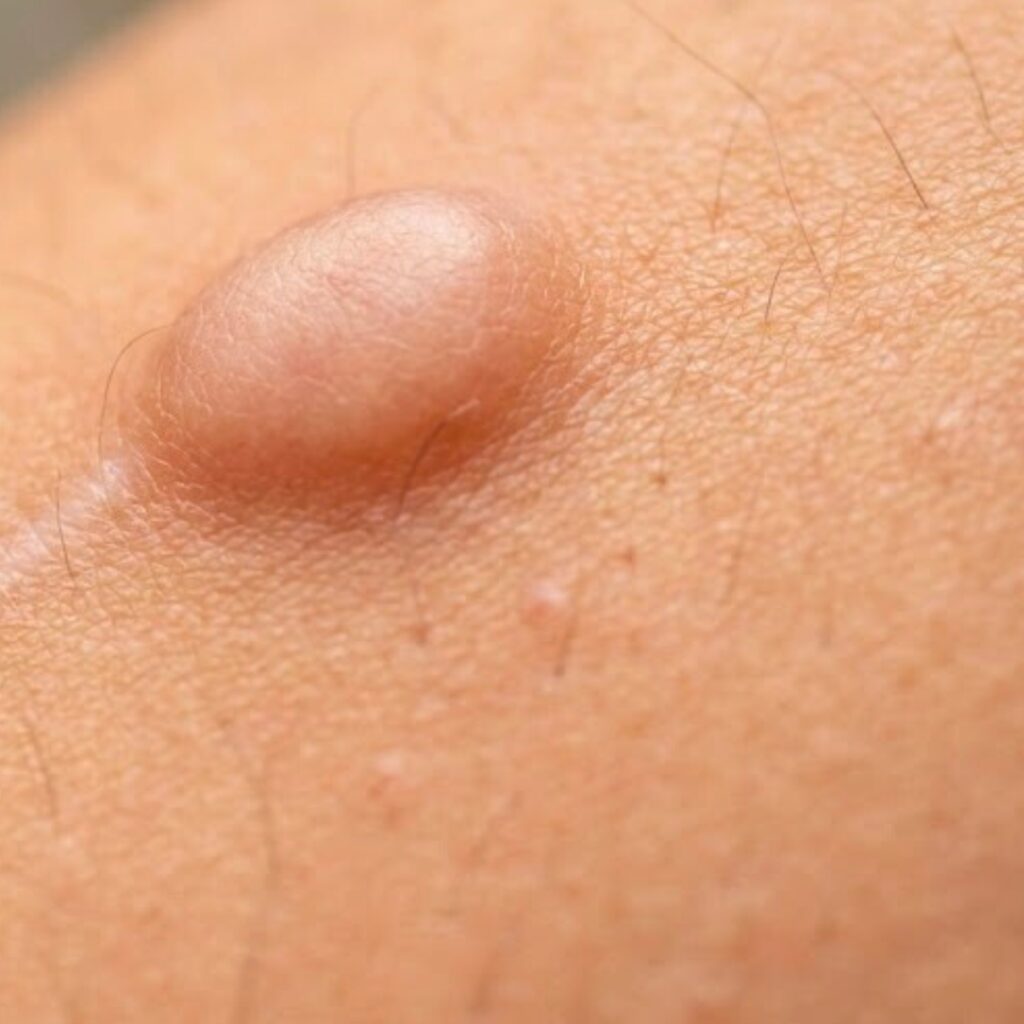
Skin cysts are common, non-cancerous lesions that form beneath the skin. They are frequently described as slow-growing, painless lumps and may occur on the back, thighs, or other areas of friction. While many cysts do not require treatment, removal may be considered following clinical assessment when a lesion becomes bothersome, enlarges, or causes ongoing concern.
The procedures documented at the start of this year demonstrate how variation in location, size, and presentation directly influences the surgical approach. Each case begins with assessment, rather than an assumption that removal is required.
Recent Procedures Recorded in January
One of the procedures involved removal of an epidermoid cyst on the posterior left thigh, measuring approximately 1.5 cm. The lesion was excised in its entirety following local anaesthetic infiltration, with removal of the cyst wall to reduce the risk of recurrence. This procedure was carried out by Dr Vasiliki Manou, reflecting standard practice for well-defined epidermoid cysts in this location.
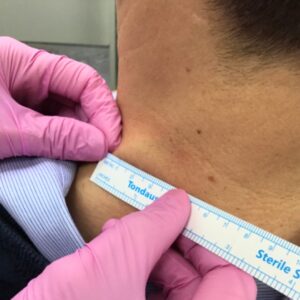
Another case focused on a 1.5 cm subcutaneous cyst on the right mid back. An en bloc excision technique was used, allowing the cyst and its capsule to be removed intact. Careful haemostasis was achieved, and the wound was closed using interrupted 3/0 Ethilon sutures, with good edge approximation. This procedure was performed by Mr Samim Ghorbanian, demonstrating how core surgical principles apply even in relatively small lesions.
A further January case involved a 1 cm cyst on the back, presenting as a visible lump with no redness or signs of infection. The excision was performed under local anaesthetic using aseptic technique. An incision was made directly over the lesion, the cystic contents were removed, and the capsule was excised completely. This procedure was performed by Dr Giulia Luciano.
Why Assessment and Technique Matter
Although these procedures may appear similar, each required specific clinical judgement. Factors such as lesion depth, anatomical location, surrounding tissue, and skin tension influence incision placement, excision method, and wound closure.
Where appropriate, removal of the cyst capsule is planned, as retained capsule tissue can increase the likelihood of recurrence. Equally important are haemostasis and closure technique, which support wound healing and reduce post-procedure complications. These decisions are guided by assessment and refined intra-operatively.
Clinician-Led, Multidisciplinary Care
The procedures recorded in early 2026 reflect a clinician-led model of care, involving dermatology and surgically trained specialists. While cyst removal is considered a routine intervention, it still requires anatomical knowledge, surgical experience, and adherence to established clinical standards.
Different clinicians may be involved depending on lesion type, complexity, and location. This ensures that treatment is tailored to the individual rather than applied through a uniform approach.
Transparency Through Education
Publishing procedural videos serves an educational purpose. It allows patients to better understand what minor skin surgery can involve and helps demystify assessment and removal processes. These videos are not intended to replace consultation or encourage treatment, but to support informed understanding.
As with all medical procedures, healing time, scarring, and outcomes vary between individuals. Suitability for removal and choice of technique are determined during consultation.
A Routine Start to the Year
Taken together, these January cases offer a snapshot of routine clinical practice at the start of 2026. They reflect the steady demand for cyst assessment and removal in London, and the importance of consistent, assessment-first care delivered by experienced clinicians.