Polynucleotide therapy is an advanced skin regeneration treatment that uses purified DNA fragments to repair, hydrate, and rejuvenate the skin. It has gained popularity for improving texture, elasticity, and overall skin health without adding volume or altering facial structure.
At City Dermatology Clinic in London, our dermatology team uses polynucleotide treatments to target fine lines, uneven texture, and early signs of ageing, offering natural-looking results with minimal downtime.
What Polynucleotide Treatment Is
Polynucleotides are biocompatible DNA molecules derived from natural sources. When injected into the skin, they stimulate cell repair, improve hydration, and promote collagen and elastin production.
How polynucleotides work in skin repair and hydration
- Cell repair: They encourage fibroblasts, the skin’s repair cells, to regenerate and repair damaged tissue.
- Hydration boost: Polynucleotides bind water, creating a naturally plumper, healthier appearance.
- Anti-inflammatory effect: They calm inflammation, which supports recovery and overall skin health.
Difference between polynucleotides and dermal fillers
Unlike fillers, which add volume or structure, polynucleotides enhance the quality of the skin itself. They work gradually, providing subtle, natural improvements rather than dramatic changes.
Benefits of Polynucleotide Therapy
Patients choose polynucleotide treatments for their natural results and wide range of benefits.
Skin rejuvenation and improved elasticity
The therapy helps restore skin elasticity, smooth fine lines, and improve texture, giving the skin a fresher, more youthful appearance.
Reduction in fine lines and wrinkles
By stimulating collagen and elastin production, polynucleotides soften the appearance of fine lines and early wrinkles, particularly in delicate areas.
Support for scar healing and under-eye rejuvenation
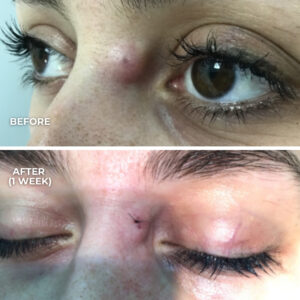
Polynucleotides can improve the appearance of acne scars, surgical scars, and under-eye hollows by promoting healthy tissue regeneration.
Common Treatment Areas
Polynucleotide therapy is versatile and can be used in multiple areas where skin quality needs improvement.
Face and under-eye area
- Softens fine lines around the eyes and mouth
- Improves dark circles and tired under-eyes
- Smooths overall skin texture
Neck, décolletage, and hands
- Restores elasticity in the neck and chest
- Reduces crepiness on the hands and décolletage
Acne scars and post-surgical scars
- Stimulates repair in scar tissue
- Improves texture and evenness of the skin surface
The Treatment Process
Consultation and planning
Every treatment begins with a consultation to assess your skin health, concerns, and goals. This allows the dermatologist to tailor a plan, often involving two to three sessions, spaced a few weeks apart, for optimal results.
What to expect during the procedure
- The skin is gently cleansed, and a topical numbing cream may be applied.
- Small amounts of polynucleotide solution are injected into targeted areas using a fine needle.
- The procedure typically takes 30–45 minutes, depending on the areas being treated.
Recovery and aftercare
Most patients experience only mild redness or small bumps at the injection sites, which settle within 24–48 hours.
Post-treatment recommendations usually include:
- Avoiding strenuous exercise, saunas, or alcohol for 24 hours
- Using gentle skincare products and broad-spectrum SPF
- Keeping the skin clean and hydrated
Results and Longevity
How soon results are visible
Some patients notice improved hydration and brightness within the first week. Full benefits, including smoother texture and better elasticity, develop gradually over 4–6 weeks as collagen production increases.
How long the effects typically last
Results typically last 6–12 months, depending on individual skin health, lifestyle, and the treatment plan.
Maintenance sessions for optimal results
For ongoing benefits, many patients schedule maintenance sessions every 6–12 months to keep their skin looking refreshed and supported.
Safety and Side Effects
Polynucleotide treatments are considered very safe when performed by trained medical professionals.
What to expect post-treatment
- Mild swelling, redness, or tiny raised bumps for 1–2 days
- Slight tenderness in the treated areas
These effects resolve quickly and don’t interfere with most daily activities.
Rare risks and how they are minimised
- Small bruises at injection sites
- Temporary pigmentation changes in sensitive skin
Choosing an experienced practitioner significantly reduces these risks and ensures precise, comfortable treatment.
Choosing a Qualified Practitioner
The success of a polynucleotide treatment depends on skill, safety, and precision.
Importance of medical experience
At City Dermatology Clinic, our treatments are carried out by qualified doctors and dermatology specialists with advanced training in injectable techniques. This ensures:
- Safe and accurate placement of the product
- A personalised plan tailored to your skin needs
- Minimal downtime and natural-looking results
What to ask during your consultation
- How many treatments you may need
- Expected results and maintenance
- Any possible interactions with your skincare or medications
Cost and Value of Treatment
The cost of polynucleotide treatment varies depending on the area treated, the number of sessions required, and the expertise of the practitioner.
Average pricing
- Single session: from £250–£350
- Packages: discounted rates for 2–3 sessions for optimal results
Why it’s considered high value
Because polynucleotides focus on repairing and improving the quality of your skin, results often last longer than other surface-level treatments, making it a high-value option for long-term skin health and rejuvenation.
Key Takeaways
- Polynucleotide therapy is a regenerative treatment that repairs, hydrates, and rejuvenates the skin.
- It works gradually, providing natural improvements in texture, tone, and elasticity.
- With minimal downtime and a strong safety profile, it’s an excellent choice for anyone seeking subtle but noticeable skin enhancement.
- Results typically last 6–12 months and can be maintained with periodic treatments.