Varicose veins are more than just a cosmetic issue. These enlarged, twisted veins, most commonly found in the legs, can cause discomfort, swelling, and even lead to more serious health problems if left untreated. With modern, minimally invasive techniques, varicose vein removal in London has never been safer, faster, or more effective.
This guide explores everything you need to know: from understanding the condition and recognising when to seek treatment, to the latest procedures available in specialist clinics, their costs, and what recovery looks like.
Understanding Varicose Veins
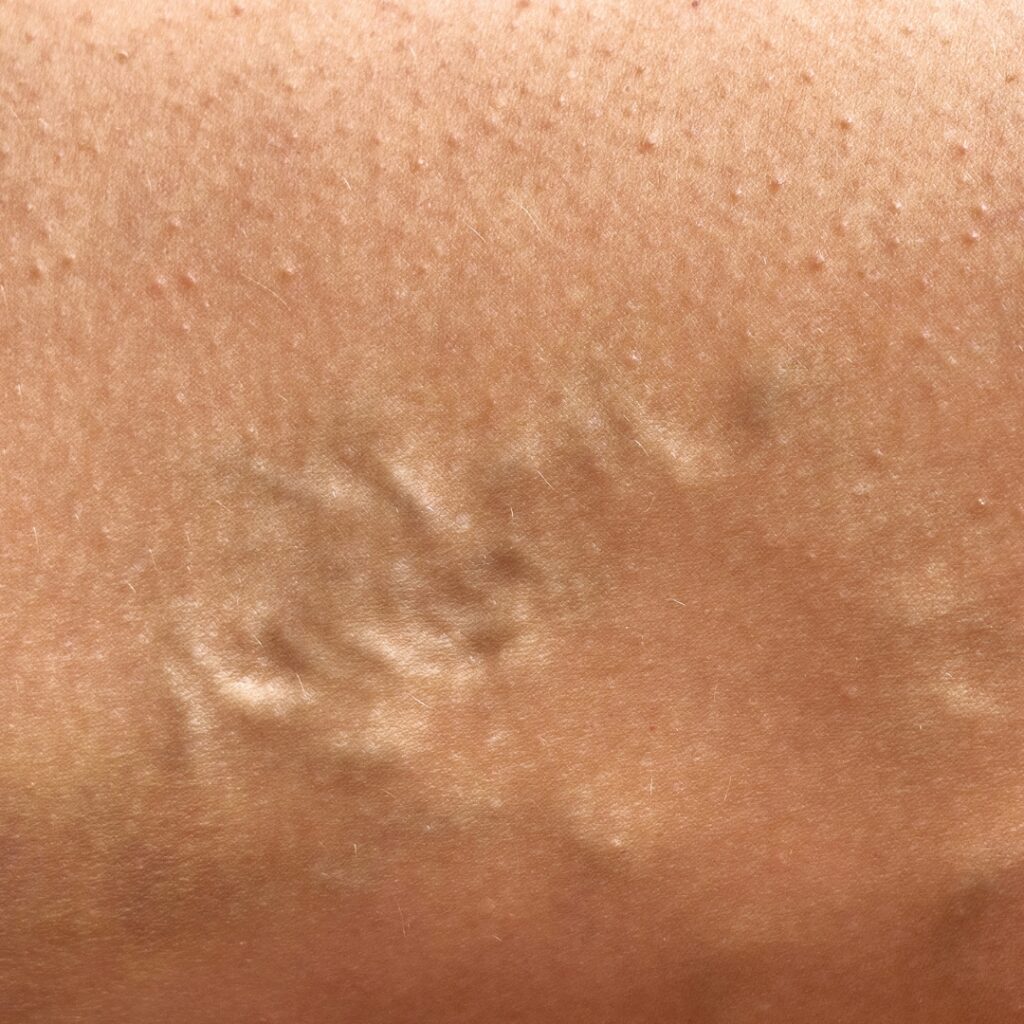
Varicose veins develop when the tiny valves inside the veins that keep blood flowing toward the heart stop working properly. This allows blood to pool, causing the vein walls to stretch and bulge, creating the twisted, raised appearance often seen just under the skin.
Causes and risk factors
While anyone can develop varicose veins, certain factors make them more likely:
- Genetics – A family history of varicose veins increases your risk.
- Gender – Women are more commonly affected, partly due to hormonal changes.
- Age – Vein valves naturally weaken over time, making varicose veins more common with age.
- Pregnancy – Increased blood volume and pressure during pregnancy can contribute.
- Lifestyle factors – Standing for long periods, obesity, or lack of regular exercise can make the problem worse.
Common symptoms
Varicose veins can present with more than just visible swelling. Symptoms often include:
- Aching or heavy legs
- Swelling around the ankles
- Muscle cramps, particularly at night
- Itchy or dry skin over the vein
- Discomfort after standing for long periods
Why early assessment matters
While mild cases may seem harmless, untreated varicose veins can progress. In some cases, they lead to skin changes, ulcers, or even deep vein thrombosis (DVT). An early consultation with a vascular specialist can help prevent complications and make treatment simpler.
When to Consider Varicose Vein Treatment
Not everyone with varicose veins needs treatment, but there are clear signs that it’s time to seek professional advice.
Health-related reasons
- Persistent pain or heaviness in the legs
- Swelling, skin changes, or ulceration
- Bleeding from a surface vein
- Development of blood clots or phlebitis
Addressing these issues early can prevent the condition from worsening and improve long-term vein health.
Lifestyle and comfort improvements
Even when varicose veins aren’t causing medical complications, they can still affect quality of life. Many patients choose treatment to:
- Relieve tired, aching legs
- Improve mobility and daily comfort
- Gain confidence by removing prominent veins
Benefits of early intervention
- Quicker recovery times
- Fewer complications
- Better cosmetic results, as veins are treated before significant skin damage develops
Modern Varicose Vein Removal Options in London
Advancements in vascular medicine mean that most varicose veins can now be treated using minimally invasive techniques performed under local anaesthetic, with little to no downtime. The best treatment for you depends on the size, location, and severity of your veins, as well as your overall health.
Endovenous Laser Treatment (EVLT)
EVLT uses targeted laser energy to seal the affected vein from the inside. The vein then collapses and is naturally absorbed by the body over time.
- Best for: Larger or deeper varicose veins
- Advantages: Quick, effective, and virtually painless
- Recovery: Most patients walk out of the clinic the same day and resume light activities immediately
Radiofrequency Ablation (RFA)
Similar to EVLT, RFA uses heat generated by radiofrequency energy to close the damaged vein.
- Best for: Moderate to large veins
- Advantages: Minimal discomfort, low risk of bruising, and quick recovery
- Recovery: Walking encouraged immediately; most patients return to normal routines in 1–2 days
Foam Sclerotherapy
This technique involves injecting a special foam solution directly into the vein, causing it to collapse and fade over time.
- Best for: Medium-sized veins and recurrent varicose veins
- Advantages: No anaesthetic required, and multiple veins can be treated in one session
- Recovery: Some mild bruising may occur; compression stockings are usually recommended for a week
Microsclerotherapy
A variation of sclerotherapy, this is used for very small veins or spider veins.
- Best for: Cosmetic improvement and smaller surface veins
- Advantages: Quick, well-tolerated, and highly effective for superficial veins
Surgical stripping (rarely needed)
Traditional vein stripping is now uncommon, but may be required for very severe or complex cases where minimally invasive techniques aren’t suitable. This is performed under general anaesthetic and has a longer recovery period.
Treatment Process and Recovery
Understanding what to expect from consultation to recovery helps patients feel more confident and prepared.
Consultation and assessment
Your journey begins with a detailed consultation that typically includes:
- Duplex ultrasound scan to map vein function and pinpoint problem areas
- A discussion of your symptoms, lifestyle, and treatment goals
- A tailored treatment plan, including procedure options, costs, and expected recovery
The treatment experience
- Procedures are usually carried out under local anaesthetic, meaning you’re awake but comfortable
- Minimally invasive techniques, like EVLT or RFA, take 45–60 minutes per leg
- You’ll be encouraged to walk immediately after the procedure to aid circulation
Recovery timelines and aftercare
- Day 1–2: Light walking encouraged; most people return to desk work quickly
- Week 1: Compression stockings may be worn as recommended
- Week 2+: Any mild bruising or tenderness begins to fade
- Follow-up: Most clinics offer a follow-up scan to ensure the vein has closed and healing is on track
Cost of Varicose Vein Removal in London
The cost of varicose vein treatment in London varies depending on the technique used, the number of veins being treated, and the expertise of the specialist. Below is a typical cost guide:
| Treatment | Typical Price Range (per leg) |
|---|---|
| Endovenous Laser Treatment (EVLT) | £1,800 – £3,000 |
| Radiofrequency Ablation (RFA) | £1,800 – £3,000 |
| Foam Sclerotherapy | £500 – £1,500 |
| Microsclerotherapy (for spider veins) | £300 – £600 |
| Surgical stripping (rarely needed) | £2,500 – £4,000 |
Factors affecting cost
- Severity and complexity: More extensive vein disease often requires multiple sessions or combination treatments.
- Specialist expertise: Clinics led by vascular surgeons or consultants may charge more, but this often means safer, more effective results.
- Location: Central London clinics typically charge higher fees compared to regional centres.
Insurance and finance
While private medical insurance may cover treatment for medically necessary cases, purely cosmetic procedures are usually self-funded. Many clinics offer finance options to spread the cost of treatment.
Choosing the Right Specialist
Selecting the right clinic and practitioner is key to ensuring both safety and long-lasting results.
Importance of vascular expertise
Varicose vein treatment should always be carried out by a vascular specialist or experienced consultant who can diagnose the underlying cause and recommend the most effective solution.
What to look for in a vein clinic
- Ultrasound mapping included as part of the consultation
- Range of treatment options rather than a single technique
- Clear, transparent pricing
- Positive patient reviews and before-and-after results
Questions to ask during consultation
- Which treatment is most suitable for my condition?
- What results can I expect, and how long will they last?
- What aftercare and follow-up support are provided?